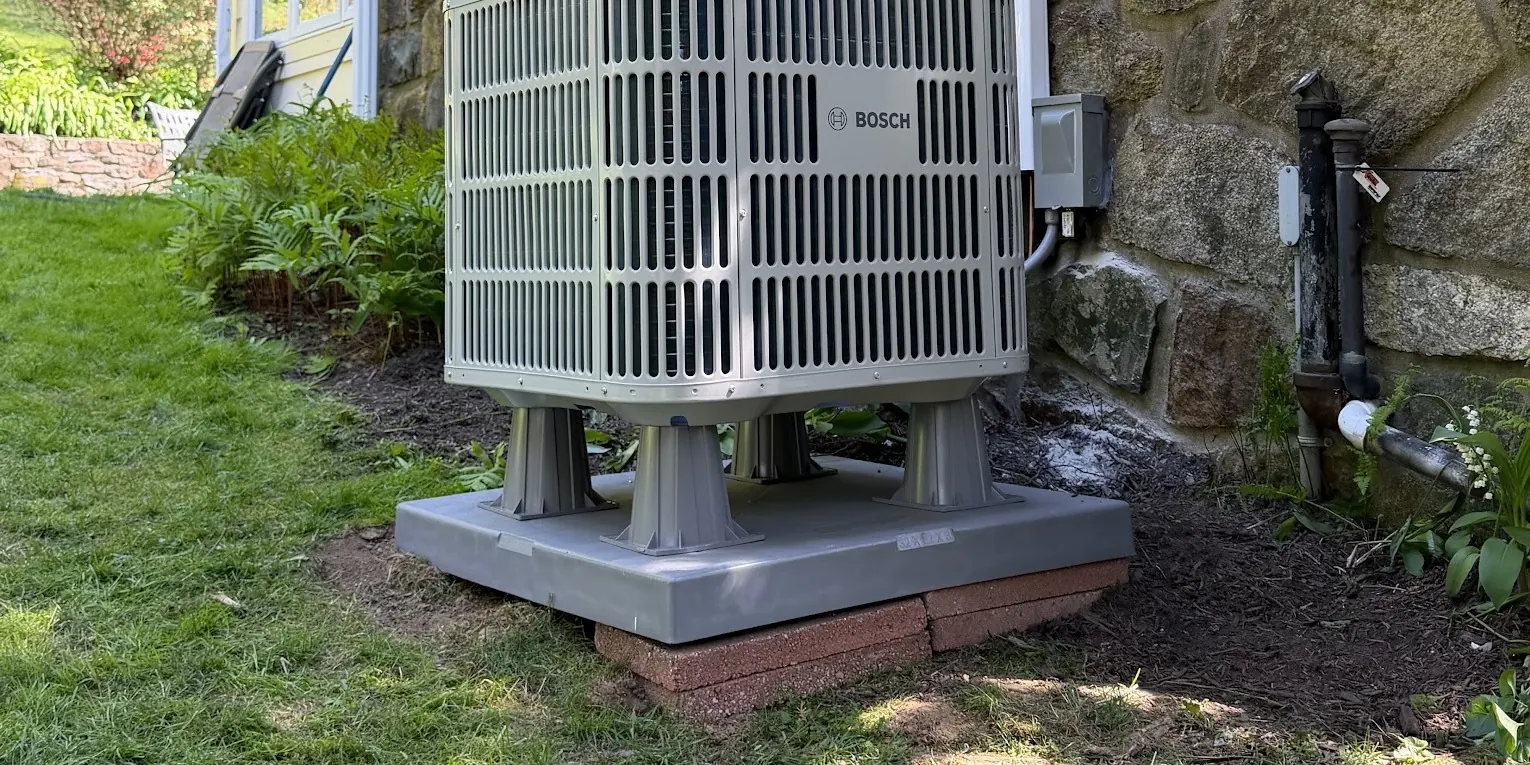
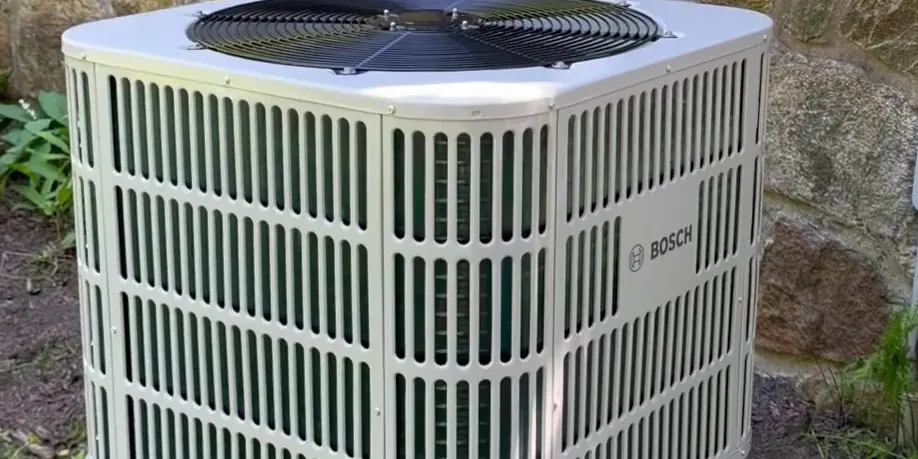
Air Conditioning Repair Service in Lincoln University, PA
Most AC problems come down to one failing part, not a dead system. Jon finds that part before anything gets replaced.
Serving PA: Chester, Delaware, Montgomery Counties | DE: New Castle County
- 10+ yrs Hands-on HVAC experience
- Free Install estimates
- Up to 12 yrs Manufacturer warranties on select systems
Get a free estimate
Before you submit, read our Privacy Policy and Terms & Conditions.
AC repair starts with finding the one part that failed
AC repair in Lincoln University usually means one part has failed, not the whole system. A capacitor, a contactor, a refrigerant leak or a clogged drain covers most calls. Jon finds the cause and explains it in plain English before he fixes anything.
He's the owner, and he's the one who shows up. There's no call center. AC repair is part of the heating and cooling work Jon does around Lincoln University.
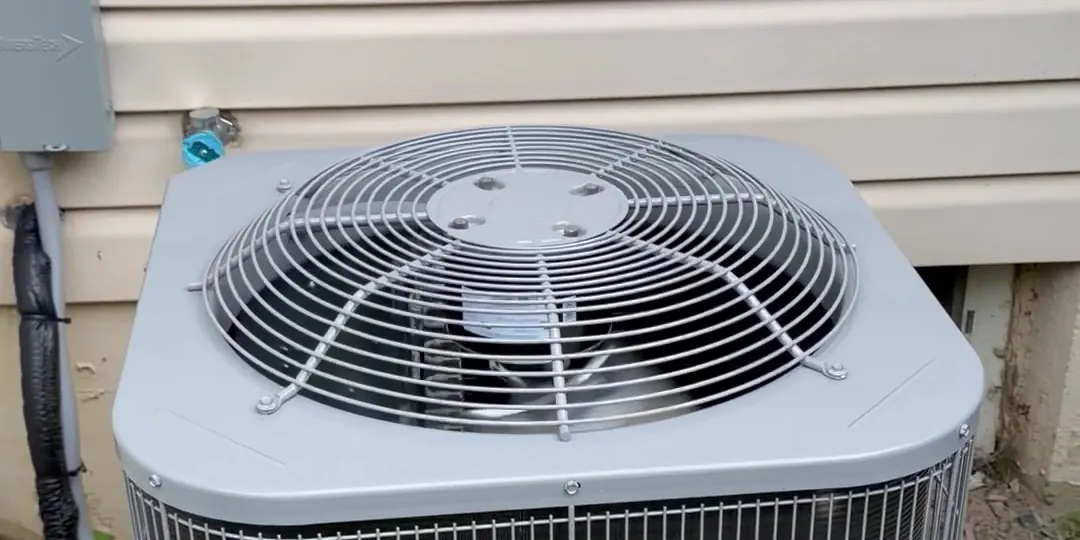
Central Air Conditioner Repair in Lincoln University
When central air won't start, blows warm air, ices up or leaks water by the indoor unit, Jon tests the system and finds the cause. Low refrigerant means a leak, so he repairs the leak instead of just topping it off. A recent AC that quit on a hot day had a bad capacitor. See what goes wrong with central air and how it's fixed.
Why ACs quit on the hottest days
An AC works hardest on hot, humid afternoons, and that's when a worn part gives out. A weak capacitor can start the system fine in May and fail in a July heat wave.
When it quits, call or text. Jon usually replies within minutes and can often come out the next day, before the house heats up for a second night.
Signs your AC needs a repair
Call early. A small problem caught now is usually a small fix.
Warm air
The system runs, but the air from the vents isn't cold.
Running all day
It never shuts off, and the house still doesn't cool.
Short cycling
It turns on and off every few minutes instead of running full cycles.
Ice or water
Frost on the copper lines, or water pooling by the indoor unit.
New noises
Grinding, rattling or banging from the outdoor or indoor unit.
Odd smells
A musty smell from the vents, or a burning smell from the unit.
What usually makes an AC stop cooling
Most repair calls trace back to a short list of parts. The capacitor gives the compressor and fan motor a jolt to start, and it weakens with heat and age. The contactor is the switch that turns the outdoor unit on, and its contacts pit and burn.
A refrigerant leak shows up as warm air and ice on the lines. Jon finds the leak and fixes it instead of only adding refrigerant. A clogged condensate drain backs water into the indoor unit, and many systems have a float switch that shuts the AC off.
A dirty filter or coil chokes the airflow until the indoor coil freezes. You can often head that off with a spring tune-up that catches a weak capacitor.
Shut it off for a burning smell
A burning or electrical smell means turn the AC off at the thermostat and call. Don't run it again until it's checked.
Short cycling can wait a day, but not a week. Short cycling is hard on the compressor, the most expensive part in the system.
What happens on an AC repair visit
Every repair call follows the same order.
Call or text
Jon usually replies within minutes and can often come out the next day. You get a text when he's on the way.
Diagnosis
He tests the electrical parts, the refrigerant pressures and the drain to find the cause.
A plain-English answer
He explains what failed and what the fix involves before any work starts.
The fix and a test
He runs a full cooling cycle before he leaves, so you know it's working.
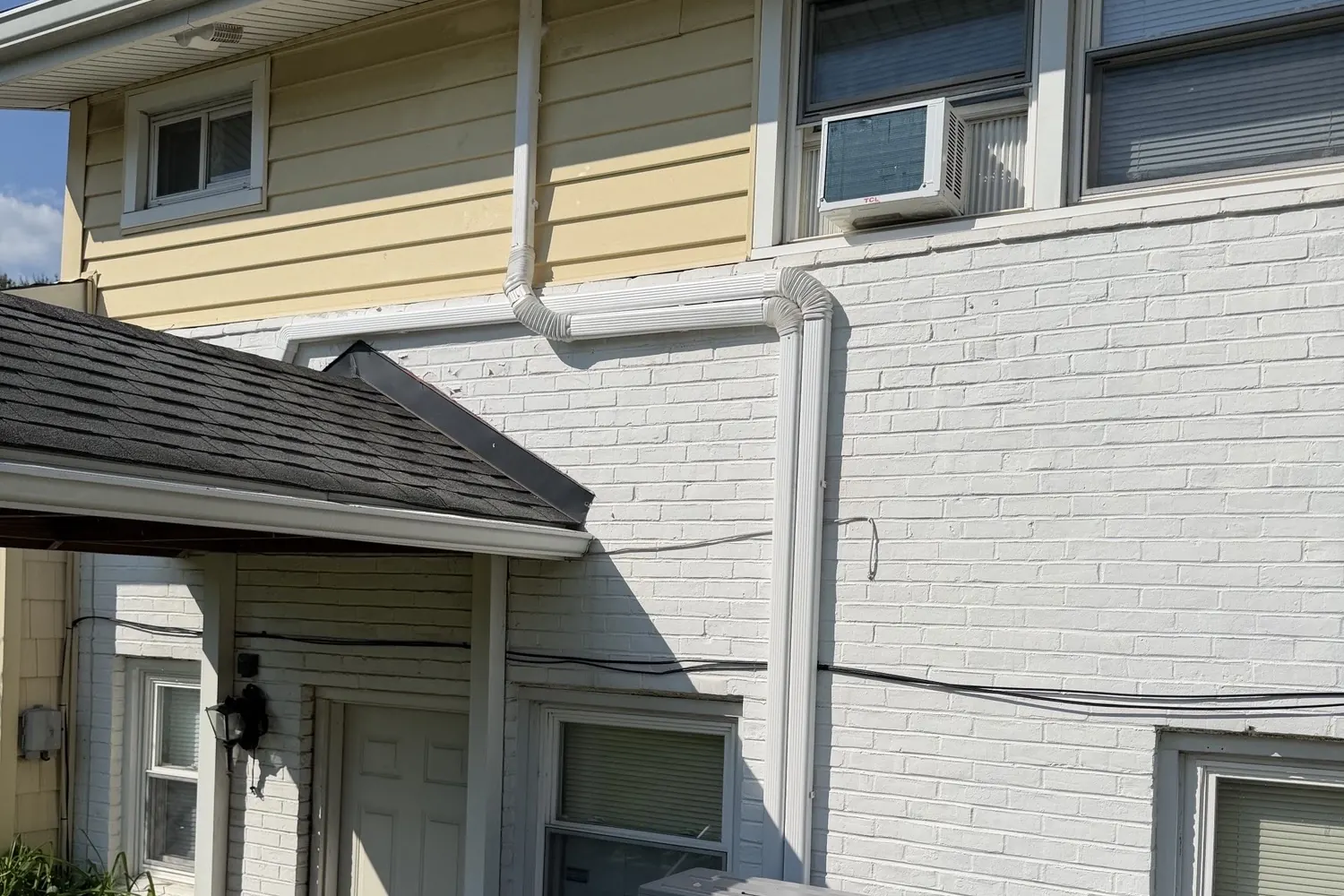
Mini-splits and heat pumps get repaired too
Ductless mini-splits and heat pumps use the same refrigerant and electrical parts as central air. They fail in the same ways.
See mini-split repair for indoor and outdoor units or heat pump repair. If your system is old and failing every summer, compare the cost of a new AC system.
Repair or replace, and older R-22 systems
Most of the time a repair is the right call. A capacitor, contactor or drain line is a normal fix on a system of any age. Replacement comes up when the compressor fails on an old system, or when the same AC breaks down every summer.
Some older systems use R-22 refrigerant. No new R-22 has been made or imported into the US since 2020, though recovered R-22 is still sold for repairs. A big leak on an old R-22 system often makes replacement the better deal.
Jon won't push a new system on a home that doesn't need one. Here's how Jon weighs repair against replacement on older systems.
AC repair across southern Chester County and Delaware
Jon takes AC repair calls in Lincoln University, Oxford, West Grove, Kennett Square, Avondale and Landenberg, and up to West Chester. In Delaware he covers Newark, Hockessin, Pike Creek and Wilmington. He's the owner, and he's the one who shows up.
Straight answers
Common questions
Q1Do I need a repair or a whole new AC?
Usually a repair. A warm house most often means one part failed. Jon diagnoses the real cause first. If the system is old, needs a compressor or breaks down every summer, he'll tell you replacement makes more sense and why.
Q2When should I call about my AC instead of waiting?
As soon as you notice weak airflow, warm rooms or the system turning on and off every few minutes. Catching it early usually means a smaller repair. Turn it off right away for a burning smell.
Q3Why does my AC run all day but never cool the house?
Usually one part is struggling, like a weak capacitor, low refrigerant from a leak or a dirty coil. It can also be an undersized system. A repair visit finds which one it is.
Q4Can I troubleshoot my AC before calling?
Yes, a little. Check that the thermostat is set to Cool, replace a dirty filter and reset the breaker once. Ice on the lines, a breaker that trips again or a burning smell need a technician.
Q5My AC lines are covered in ice. What should I do?
Turn the cooling off and run the fan only, so the ice melts. Ice usually means low airflow from a dirty filter, or low refrigerant from a leak. Change the filter, then call if it ices up again once it's running.
Q6Why is water leaking near my indoor AC unit?
Usually a clogged condensate drain. The AC pulls water out of the air, and that water has to drain away. When the line clogs, water backs up and overflows. Clearing the drain is a common repair.

Who you'll work with
Jon Radulski, Owner
Jon Radulski has done hands-on HVAC installs and repairs for over 10 years. He started Rad Homes Contracting in 2025 to do installs the old way: sized for the house, done once and done right, with honest pricing. Jon and his wife Hilary are raising three boys, Cooper, Asher and Landon.
Rad Homes Contracting
Ready to get started?
Call or send a message and we'll set up a time to see the job.
(302) 584-8646Get a free estimate